Plié and Pour: Why the 10 A.M. Ballet Class Became the Hottest Hangout in Town

Photo: Luke Ford, CC BY-SA 2.5, via Wikimedia Commons
The class starts at 10 a.m., but the real session begins fifteen minutes earlier in the parking lot. That's when the regulars arrive — sneakers squeaking on asphalt, gym bags over shoulders, already mid-conversation about a daughter's soccer schedule or a mother-in-law's visit. By the time the pianist (yes, this studio has a live pianist) plays the first chord, the social hour is well underway.
Welcome to the adult beginner ballet class, 2024 edition: part fitness trend, part support group, part the only hour of the week some of these women spend entirely on themselves.
Not Your Daughter's Ballet Class
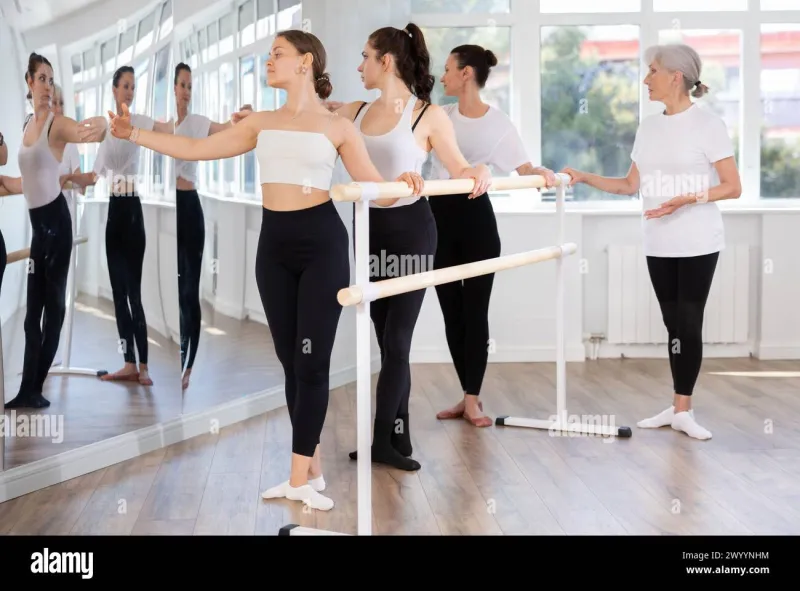
If your mental image of adult ballet is a stern instructor in a mirrored studio full of former ballerinas, prepare for a correction. Walk into a typical morning class at studios from Portland to Raleigh and you'll find nurses, teachers, retirees, and a healthy contingent of moms who dropped kids at school and came straight here.
"I hadn't danced a step since I was seven," laughs Denise, 46, a student at a suburban Ohio studio. "My first class, I stood in the back and prayed nobody would look at me. By week four, I was saving spots for my friends. By week eight, we were getting tacos after class."
That trajectory — from self-conscious observer to regular — is one studio owners say they see constantly. And it's reshaping how they think about what they're actually selling.
The Phone-Free Hour Nobody Knew They Needed
There's a running joke among adult ballet instructors: the barre is the last place in America where nobody checks their phone. It's not a rule, exactly — it's physics. Your hands are busy. Your brain is occupied trying to remember that the feet do one thing while the arms do another. There is simply no bandwidth left for doom-scrolling.
"Parents tell me it's like a massage for their nervous system," says one studio director who runs three locations in the Southeast. "You cannot think about your inbox when you're trying to do a tendu without wobblying. The class forces presence in a way that a yoga class with a meditation app never quite managed."
The structure helps, too. Unlike a gym membership that quietly renews while you stay home, ballet classes build on each other. Miss two weeks and you genuinely feel it. That gentle accountability — plus a room full of people who noticed you were gone — turns a nice idea into a habit.
Why the Friendships Stick
Ask any regular why she keeps coming back and the answer is rarely "grand battements." It's the woman who brought her coffee cake when her dad was in the hospital. The group text that plans dinner after the winter showcase. The shared understanding that everyone in the room is a beginner and nobody cares.
There's something about learning a physical skill together that accelerates friendship. You're all bad at the same thing, in the same room, at the same time. There's no pretense available. Compare that to a book club, where someone inevitably didn't finish the novel, or a networking event, where everyone's performing. At the barre, the playing field is flat and the dress code is forgiving.
"We had one mom whose youngest left for college in September," recalls a studio owner in Minnesota. "She signed up for our beginner class mostly to fill the quiet. Now she's here three times a week and she choreographed the faculty holiday party number. The empty nest gave her a barre."
If You're Curious: How to Show Up
Thinking about trying a class? A few things worth knowing before you go:
- Nobody expects experience. Genuinely. Beginner classes assume you've never done this. The instructor will explain what "parallel" means.
- You don't need pink tights or a leotard. Fitted athletic wear you can move in is fine at most adult classes. Socks work before ballet slippers.
- The soreness is real, the injury risk is low. Expect your calves to complain the first week. Ballet is low-impact and joint-friendly, which is exactly why it's popular with the 40-plus crowd.
- Go with a friend — or don't. Some people prefer arriving solo so they can blend in. Either works.
For Studios: Building the Community Part on Purpose
If you run a studio and want to grow an adult program, the barre-regulars offer a playbook. The magic isn't the syllabus — it's the ritual around it.
Keep the same time slot. Adults build their week around a standing appointment. Constantly shuffling class times kills the habit.
Create a post-class anchor. Even a ten-minute chat in the lobby with coffee extends the social payoff enormously. Some studios partner with a café next door for a "barre and brew" discount.
Cap the class size — but not too low. Big enough for energy, small enough that absences get noticed. Around 10 to 14 students hits the sweet spot for connection.
Celebrate milestones that aren't performances. Not every adult wants a recital. But a "first plié" anniversary, a end-of-term open class where friends can watch, or a casual pizza night gives people a reason to invest beyond the workout.
Train your teachers to learn names by week two. Nothing signals "you belong here" faster than being greeted by name when you walk in.
The Takeaway
The adult ballet boom didn't happen because middle-aged Americans suddenly craved grand jetés. It happened because people were starved for a regular, in-person, phones-down hour with other adults — and ballet turned out to be an unexpectedly perfect container for it. The pliés are the excuse. The community is the point.
So if your calendar has a hole in it and your group chat has gone quiet, consider this your sign. The barre is open, the pianist is warming up, and the parking lot conversations start fifteen minutes early.