The Pointe Readiness Debate: Why Some Dance Medicine Experts Think We're Rushing Our Youngest Dancers
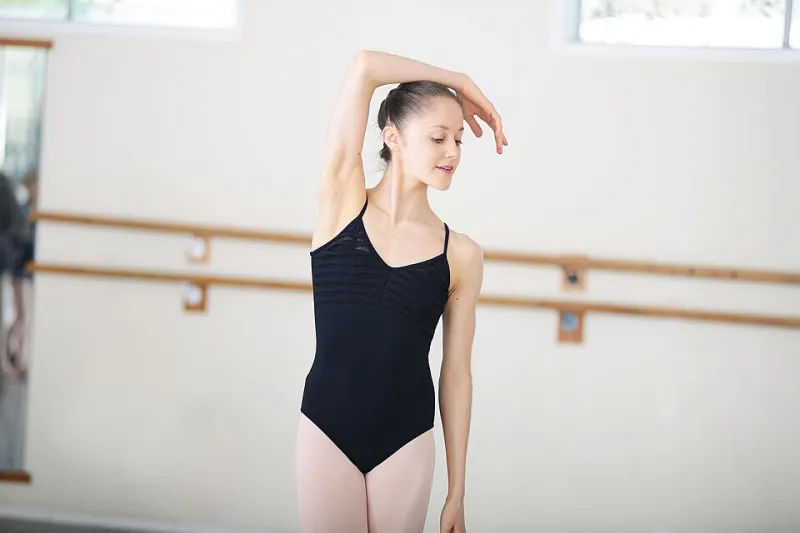
Photo: Dancewear Central, CC BY 2.0, via Wikimedia Commons
Ask ten ballet studios when a dancer should start pointe work and you might get ten different answers. Age twelve. Age thirteen. "When they're ready." That last one sounds nice, but it leaves parents guessing — and it's exactly why the pointe readiness conversation has become one of the more spirited debates in American dance education.
The traditional benchmark in the US has long been somewhere around eleven or twelve years old, often tied to the idea that a dancer needs roughly three to four years of consistent training first. But dance medicine specialists increasingly argue that calendar age is the least useful measure on the table.
What Readiness Actually Looks Like
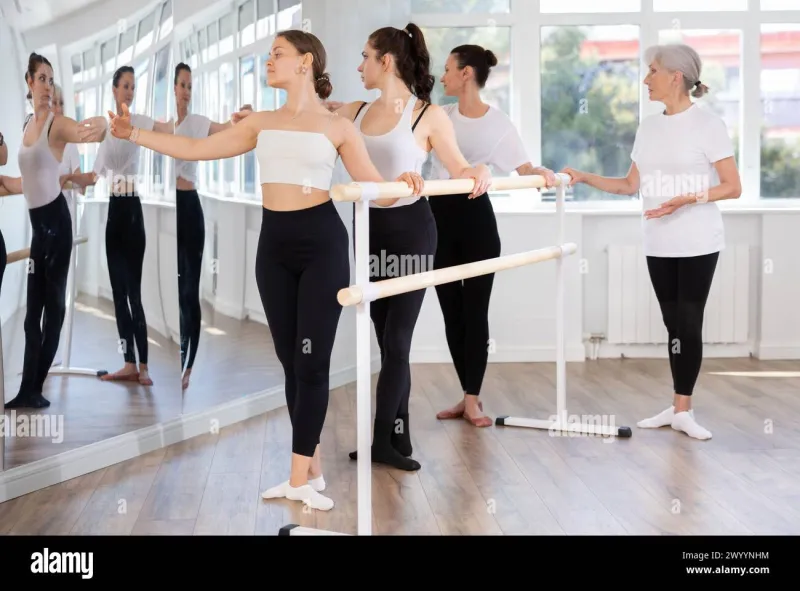
Physical therapists who work with pre-professional dancers tend to focus on measurable benchmarks rather than birthdays. The most commonly cited assessments include:
- Ankle and foot strength — can the dancer rise to relevé on one foot with proper alignment and control?
- Core stability — balance tests, often single-leg, held with minimal wobble
- Ankle range of motion — specifically the ability to achieve a full demi-pointe through the metatarsals
- Growth-plate considerations — many clinicians want to see foot bones largely finished growing
The single-leg relevé test is the workhorse of the bunch. A dancer who can't perform a slow, controlled rise without the heel drifting or the ankle sickling isn't ready for pointe shoes, no matter what the birth certificate says.
Where the Debate Gets Heated
Here's where opinions split. Critics of the traditional timeline point out that the classic starting age was never based on rigorous science — it was convention, passed down through training lineages. Some argue that with better screening tools available today, a physically prepared twelve-year-old is safer than an unprepared fourteen-year-old, and readiness testing should trump age entirely.
On the other side, many instructors push back hard on any suggestion of starting earlier. Their concern is volume: adolescents are already logging long hours in the studio, and adding pointe work multiplies load on tissues that are still developing. Stress fractures in the foot and ankle are among the most common overuse injuries in young dancers, and premature pointe work is a known contributor.
There's also a quieter argument that rarely makes it into the literature: the rush itself. Some teachers worry that the pointe shoe has become a status symbol — a trophy parents and students chase — rather than a technical tool. When readiness becomes a negotiation instead of an assessment, everyone loses.
The Middle Ground Most Studios Are Landing On
The studios that seem to navigate this best share a few habits:
- A formal pre-pointe program — a semester or more of strengthening work done in flat shoes, treating readiness as a curriculum rather than a gatekeeping moment
- Individual assessment, not blanket promotion — dancers in the same class may start pointe months apart, and that's framed as normal, not failure
- Communication with parents — clear explanations of what the testing measures and why, so families understand a delayed start isn't a punishment
If you're a parent evaluating studios, ask directly: "How do you decide when a dancer goes en pointe?" A studio with a thoughtful answer — one that mentions strength testing, training hours, and growth — is a studio taking your child's feet seriously.
The Bottom Line
The science points in one direction: readiness is individual, measurable, and only loosely connected to age. The culture of ballet, though, still tugs toward tradition and timelines. Most experts would say we're not starting pointe work dramatically too early so much as we're sometimes starting it without enough preparation — and that's a fixable problem.
For dancers, the takeaway is encouraging. Do the strengthening work. Be patient with the process. The pointe shoes will still be there when your ankles are ready — and they'll feel a whole lot better when they arrive.