The 9 P.M. Plié: How Late-Night Ballet Became the Best-Kept Secret for Working Adults
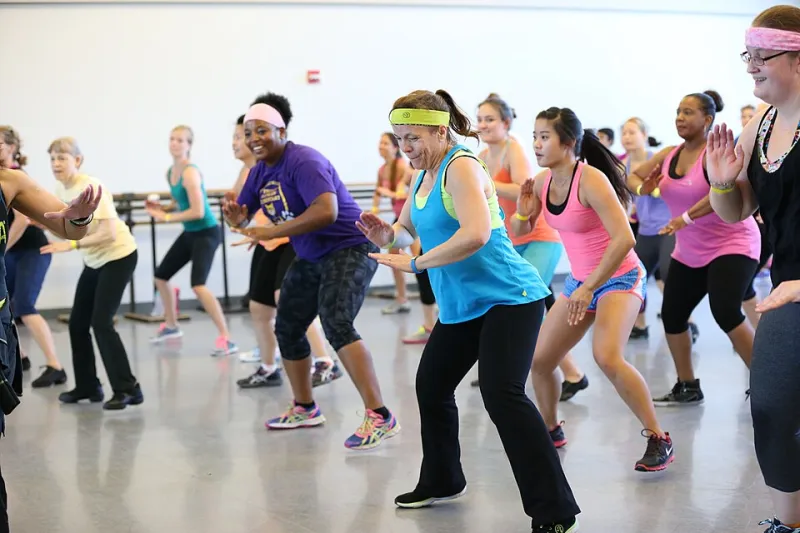
Photo: KCBalletMedia, CC BY 2.0, via Wikimedia Commons
Most people assume a ballet studio goes dark by dinnertime. The littlest dancers head home, the tweens grab their bags, and the parking lot empties out around 6:30. But at a growing number of studios across the country, the real second act starts after most of America has already scrolled through its evening feed.
Welcome to the world of the late-night ballet class — an 8 or 9 p.m. slot that's quietly becoming one of the smartest scheduling experiments in adult dance education.
Who Shows Up at 8 P.M. for a Ballet Class?
The answer surprises a lot of studio owners. It's not insomniacs or nightlife types. It's nurses coming off twelve-hour shifts. Restaurant servers whose "evening" doesn't start until 10. New parents who just finished the bedtime routine and need forty-five minutes that belong entirely to them. And a surprising number of folks who finish their office jobs at 6, hit the gym, and realize they'd rather spend their last burst of energy at a barre than on a treadmill.
"I tried an evening class for years at 6:30 and could never make it," says one student who works in hospitality in Chicago. "By the time I got off shift, class was half over. The 9 p.m. slot is the first time in my adult life that a dance class has actually been built around my schedule instead of the other way around."
That's the core insight driving the trend: the standard 9-to-5 assumption baked into most studio schedules simply doesn't match how a huge chunk of American adults actually work. Roughly a quarter of the U.S. workforce does something other than a traditional daytime shift — and almost none of them were being served by the typical studio calendar.
The Economics of Keeping the Lights On
From a studio owner's perspective, a late class used to look like a money loser. Extra staffing, extra utilities, and a room that sat empty all evening waiting for one class. But that math has changed.
Many studios already run until 8 or 9 p.m. for teen intensives and competition rehearsals. Adding an adult beginner class at the tail end of that window costs almost nothing — the space is lit, the teacher is often already in the building, and the front desk may not even need to be staffed. What used to be dead air becomes revenue.
There's also a retention story. Adult students who find a class they can reliably attend stick around for years. A 9 p.m. regular who never misses a week is worth far more than a 6 p.m. student who cancels constantly because of traffic and childcare. Some owners report their late-evening adults have the best attendance of any segment on the schedule.
What a Late Class Actually Feels Like
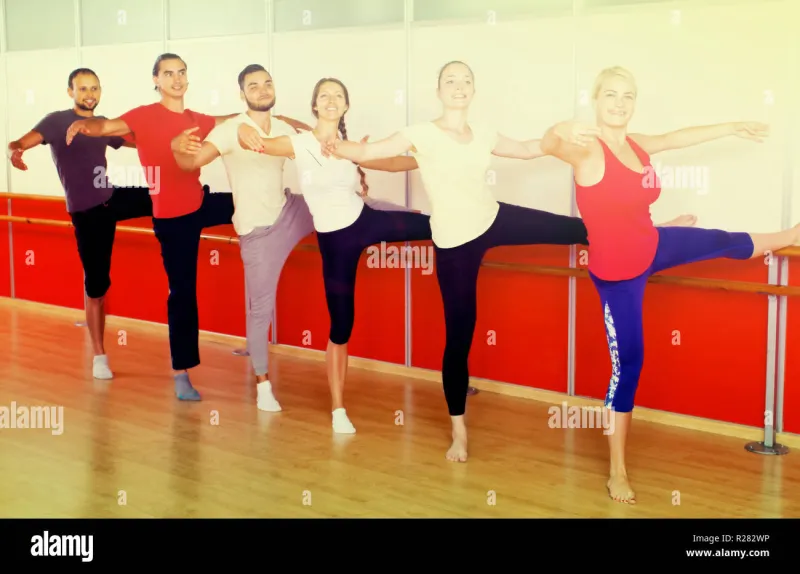
If you're picturing a formal, intimidating environment, think again. Late-night classes tend to have a particular vibe — lower-key, less precious, a little bit funny. People wander in with gym clothes and messy buns. The teacher keeps the dress code loose. Somebody's phone buzzes with the babysitter's update mid-plié and everyone laughs.
There's also a physical honesty to the hour. Bodies are warm from the day, which some dancers swear makes them more flexible. Others admit they're running on fumes and treat the class more like moving meditation than training. Both approaches work. Nobody at 9 p.m. is chasing a professional contract — they're chasing the feeling of doing something hard and beautiful for themselves.
Tips for Making a Late Class Work for You
If your schedule has never lined up with traditional studio hours, a late-evening class might be your opening. A few things worth knowing before you try one:
- Eat a real dinner first. A heavy meal an hour before class is a mistake, but showing up on an empty stomach after a long shift is worse. Aim for something light about ninety minutes out.
- Ask about the class level honestly. Late slots often mix levels out of necessity. A good teacher will give modifications; don't be shy about asking what the class typically looks like.
- Protect the commute. The hardest part of a 9 p.m. class isn't the dancing — it's the drive home at 10:15. Carpool with a classmate or pick a studio close to work rather than home.
- Give it three weeks. The first late class always feels strange. By the third, it starts to feel like the best part of your week.
A Trend That's Only Growing
The late-night experiment is still young, and not every studio has caught on. Many still treat adult programming as an afterthought — a single morning class or an early evening slot that works for exactly one kind of life. But the studios willing to experiment are discovering an audience that's loyal, grateful, and hungry for exactly this kind of access.
Ballet has always been about discipline, but the studios thriving right now are learning that the real discipline is logistical: meeting people where their lives actually are. For millions of American adults, that place is after dark — somewhere between the end of a shift and the start of sleep, in a studio with the lights half down and the music turned low.
If you've been telling yourself for years that ballet isn't in the cards because of your schedule, it might be worth checking the late listings. The barre, it turns out, keeps later hours than you think.