Inside the Audition Room: Directors Spill What Actually Gets Dancers Noticed
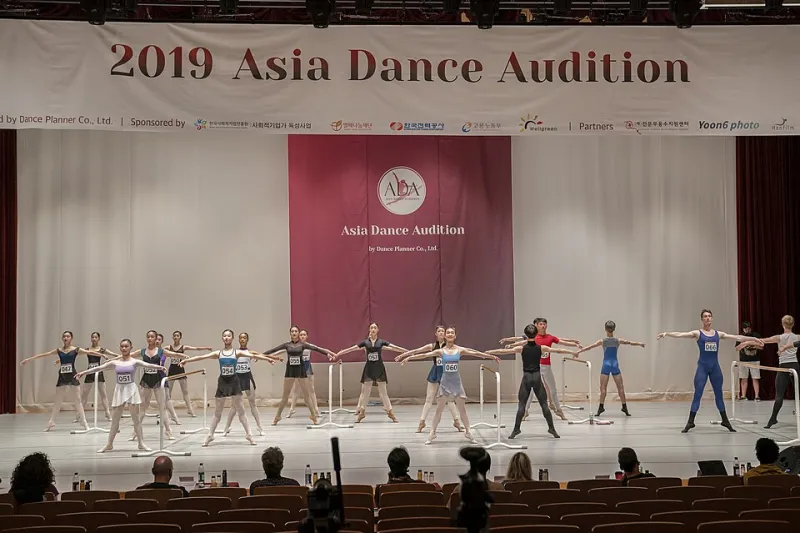
Photo: Sujeong11, CC BY-SA 4.0, via Wikimedia Commons
Audition season has a way of turning rational families into nervous wrecks. Your dancer rehearses for months, you drive three hours to a studio you've never heard of, and then it's over in ninety seconds. What happened in those ninety seconds? We asked artistic directors from regional companies and major organizations across the country what they're actually evaluating — and their answers might surprise you.
Myth #1: They're Measuring Your Child's Body
Let's address the elephant in the room first. Yes, physique comes up in ballet conversations, and pretending it doesn't would be dishonest. But nearly every director we spoke with downplayed it, especially for summer intensives and younger students.
"At the audition level, I'm not casting a production," one artistic director told us. "I'm looking for a student I can teach. Proportions matter far less than people fear. What I can't teach is effort."
Directors repeatedly emphasized that they're training dancers, not sorting them. A student with average proportions and exceptional focus will beat a "perfect" build with a checked-out attitude almost every time.
What They're Actually Watching For
So if it's not the body, what is it? The answers clustered around a few consistent themes.
Musicality over tricks. Multiple directors said they'd rather see a clean single pirouette landing on the music than four wobbly ones off tempo. "The dance is in the timing," one explained. "A student who listens to the orchestra — even a recorded one — stands out immediately."
Recovery from mistakes. Every auditioner wobbles. Every auditioner forgets a combination. Directors told us they barely register the mistake itself; they're watching what happens next. A quick reset, a deep breath, and back into the combination signals professionalism that no amount of flexibility can fake.
Eyes up, energy forward. The dancer performing to the mirror versus the dancer performing to the room is a distinction directors mentioned again and again. Confidence here doesn't mean showing off — it means genuine engagement with the movement.
The Hallway Test
Here's the part nobody puts on the audition flyer: directors notice how dancers behave when they think no one's watching.
We heard stories of students chatting loudly during another dancer's audition slot, complaining about the combination in the hallway, or being rude to the check-in volunteers — who, by the way, are often company apprentices or school faculty. Directors talk. The ballet world, especially at the regional level, is smaller than it looks.
One director put it bluntly: "If I'm deciding between two similar dancers, the one who thanked the pianist gets the spot."
What Parents Can Actually Do
You can't choreograph the audition for your dancer, but you can set them up well.
- Arrive early enough to warm up calmly. A rushed, stressed student reads as a rushed, stressed student.
- Keep the car ride positive. Directors can spot a dancer who just spent forty minutes absorbing parental anxiety.
- Let them own the outcome. Whether it goes well or poorly, the experience belongs to your dancer. Ask what they noticed, not what the judges thought.
- Skip the post-audition interrogation. The combination they struggled with is already replaying in their head on a loop. Trust us.
The Bottom Line
The audition circuit can feel like a mystery wrapped in a number. But the consistent message from the people behind the table is refreshingly simple: they're looking for students who love dancing, listen to the music, and treat the room — and the people in it — with respect. Your dancer can't control their proportions or the combination they pull out of the air, but those three things? Entirely within reach.
And that's a much better thing to rehearse than a perfect audition leotard.