Five Minutes Flat: What Your Child's Ballet Teacher Notices Before the First Plié
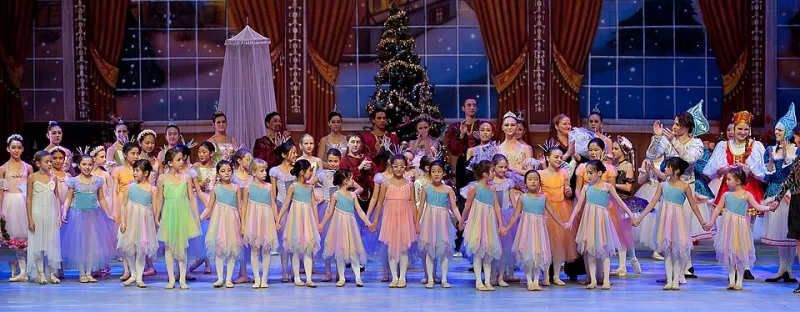
Photo: Canadian Ballet Lover, CC BY-SA 3.0, via Wikimedia Commons
Every Tuesday at 4 p.m., the same scene plays out in studios across America. A seven-year-old barrels through the door, dance bag dragging, one shoe on, hair tie dangling from her wrist like a bracelet. Meanwhile, across the room, another child walks in slowly, spine tall, bag balanced neatly on both shoulders.
The teacher clocks both of them in about four seconds.
Contrary to what anxious parents might assume, nobody's being judged or ranked. But seasoned ballet instructors will tell you — usually with a laugh — that the first few minutes of class are a quiet masterclass in observation. And the things they notice can tell parents a lot about what actually builds a dancer.
The Walk Tells a Story
"People think we're watching feet," says one veteran instructor who's taught pre-ballet for over fifteen years. "We're really watching how they carry the rest of themselves."
Kids who regularly help carry groceries, who climb playground structures, who spend less time slumped over tablets — it shows. Not in technique, obviously, but in something more fundamental: body awareness. A child who knows where their shoulders are in space is a child who's halfway to first position already.
Teachers describe watching for a few telltale signs as students cross the studio floor:
- Head carriage — Is the chin leading the body, or does the head stack naturally over the spine?
- Foot placement — Do they land with intention, or does every step look like a small accident?
- Energy level — Not excitement, exactly, but whether the body feels switched on or running on airplane mode.
None of this is permanent. All of it is trainable. That's kind of the beautiful part.
The Bag Drop Is a Diagnostic
Here's a detail that gets less attention than it deserves: how a kid manages their own stuff.
Instructors notice which dancers can find their own ballet slippers without a scavenger hunt, which ones can zip their own jackets, and which ones turn to a parent still lingering in the doorway. It's not about tidiness — it's about ownership.
"The kids who unpack their own bags almost always transition into class faster," one studio owner explains. "They've already made one decision for themselves before class even starts. That momentum matters."
The fix at home is refreshingly simple. Let your dancer pack their own bag the night before. Yes, the slippers might end up in the wrong pocket. Yes, you'll occasionally drive back for a forgotten leotard. But the habit of self-reliance transfers straight to the studio floor, where dancers who own their routine learn combinations faster and recover from mistakes more gracefully.
Hair, Socks, and Other Tiny Signals
Before anyone panics: no teacher is deducting points for a crooked bun. But the small rituals of preparation do send signals about consistency.
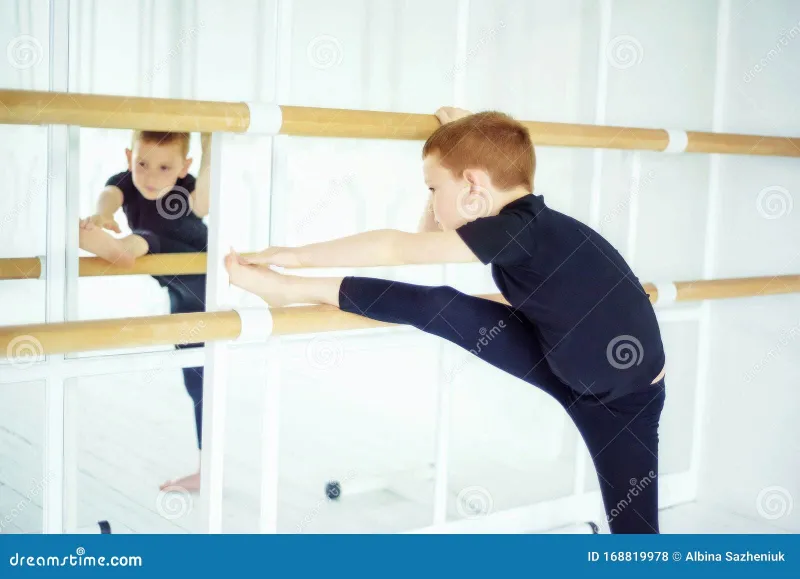
A dancer whose hair is somewhat contained can see the mirror. A dancer who can see the mirror can self-correct. That's the whole logic behind the hair rules, and it's less about tradition than it is about sightlines.
Footwear tells its own story. Teachers can spot a pair of slippers that's grown a size too small — the toes start curling, the steps get timid. Socks worn instead of tights can change how a child feels the floor. None of these are character judgments; they're just practical details that shape how comfortably a kid can move.
A quick pre-class checklist that covers 90% of it:
- Hair secured back enough to see the whole mirror
- Slippers that actually fit (check the toe room monthly — kids grow fast)
- Bag packed by the dancer, not the parent
- A water bottle they can open themselves
What This Means for Parents Who've Never Danced
Maybe you signed your child up because they twirled endlessly in the living room, and now you're wondering if you're missing some secret playbook. You're not. The habits teachers quietly celebrate at the barre are the same habits that help kids everywhere: showing up on time, taking care of their own gear, and arriving with a body that's been allowed to move around during the day.
One instructor put it perfectly: "The best dancers I've taught weren't the most flexible six-year-olds. They were the ones who came in curious and ready. The rest we build together."
So the next time you drop your dancer at the studio, resist the urge to fuss over the bun or double-check the slippers. Hand over the bag, step back, and let them walk in on their own two feet. Their teacher is watching — not to judge, but to see exactly who's ready to grow this week.
And if that walk across the studio floor looks a little more confident than it did last month? That's not a coincidence. That's the training, working quietly, one Tuesday at a time.