The Correction Is the Lesson: What Ballet Teaches Kids About Bouncing Back
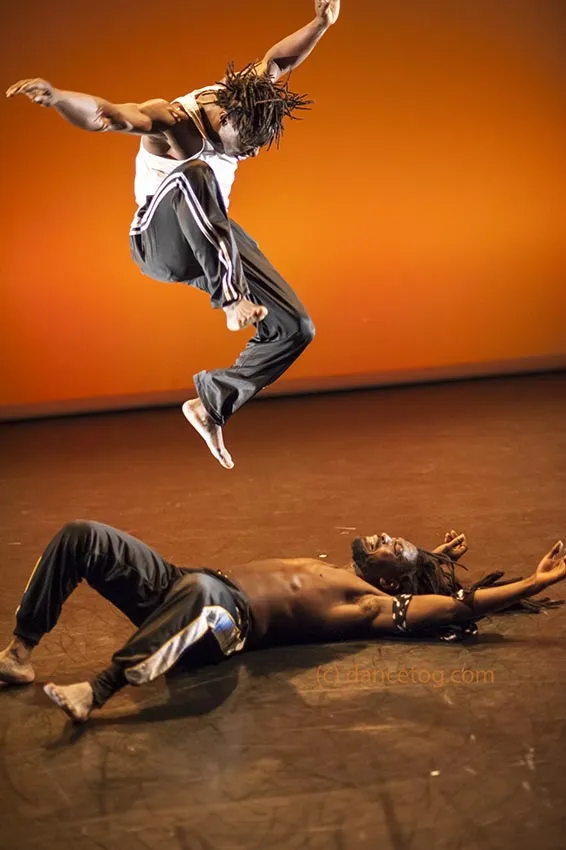
Photo: Ballet Nimba, CC BY-SA 4.0, via Wikimedia Commons
Ask a ballet teacher what they said in class today and you'll probably get a long list of corrections. Chin lifted. Heels together. Relax your shoulders. Don't grip the barre like it's going anywhere.
For parents peeking through the studio window, it can sound relentless. But here's the thing: nobody in that room is being scolded. They're being coached — and according to the people who study how kids learn, that distinction matters more than you might think.
A Classroom Where Mistakes Are the Curriculum
Dr. Elena Marsh, a child psychologist in Columbus, Ohio, who works with young athletes and performers, puts it plainly: "Most environments kids occupy reward getting it right the first time. Ballet rewards the revision."
In a typical school day, a wrong answer gets marked in red. On the soccer field, a missed kick might cost a goal. But in ballet class, the mistake isn't an event — it's the raw material. Teachers expect to correct the same plié for weeks. That's not failure; that's Tuesday.
"The correction-to-praise ratio in a ballet class would alarm any parent if they saw it on paper," Marsh says with a laugh. "But kids don't experience it that way, because the corrections are impersonal. It's never 'you're bad.' It's 'your arm goes here.' That separation between the mistake and the self is a resilience skill most adults haven't mastered."
Why the Barre Builds Thick Skin
There's a structural reason ballet works this way. The technique is layered — a first-position plié in September becomes the foundation for a pirouette three years later. There is no finish line, no final exam, no moment where a dancer is "done." Even professionals take class daily, getting corrected by colleagues half their age.
For kids, that reframes everything. The eight-year-old who wobbles out of a relevé isn't failing at ballet. She's doing ballet. The wobbling is included in the price of admission.
"I tell my newer families this at the first observation day," says Renata Alvarez, who teaches the children's division at a studio outside Austin. "Your child is going to hear me say their name fifty times a class, and forty-five of those will be a correction. By November, they don't flinch. By June, they're correcting themselves before I can open my mouth. That self-awareness? You can't teach it with a sticker chart."
What Parents Notice at Home
The carryover is where it gets interesting for the parents in our community. Several Nuova families told us they've watched the studio's habits migrate into homework and other sports.
"My son used to crumble if a math worksheet had a problem he couldn't solve," says Dana W., a mom of two from our Saturday morning classes. "Now he does this thing where he literally says 'again from the top' to himself. I didn't teach him that. Miss Kelsey did."
A pediatric occupational therapist we spoke with (and a ballet grandma herself) notes that the physical format helps too: repetition without time pressure. Unlike a timed test, a ballet combination can be attempted as many times as the class allows. Kids learn that a rough first attempt is just data, not a verdict.
How to Reinforce It as a Parent
If your dancer is new this season, here's what our instructors suggest for backing up the studio's mindset at home:
- Change how you ask about class. Skip "Was it good?" and try "What did Miss give you to work on today?" It signals that corrections are normal and worth talking about.
- Praise the recovery, not the result. When your child nails something they've been struggling with, celebrate the sticking with it, not just the step.
- Let teachers do the correcting. It's tempting to whisper tips from the lobby. Resist. Kids handle critique better when it comes from one consistent voice.
- Model it yourself. Adult ballet students mess up constantly — and watching Mom or Dad laugh off a mangled grapevine step might be the most powerful lesson in the building.
Grace Is a Practice, Not a Personality
We talk a lot about grace at a ballet studio, and most people assume we mean the physical kind. But ask any teacher what they're really building over a season of classes, and they'll tell you it's the other grace — the kind that lets a kid hear "not yet" and come back next week anyway.
In a culture obsessed with highlight reels and instant mastery, the ballet studio remains stubbornly old-fashioned: show up, get corrected, try again. It turns out that's not just how you learn to dance. It's how you learn to be okay with not knowing how — yet.