Six Soccer Leagues, One Barre: The Quiet Shortage of Ballet Studios in Suburban America

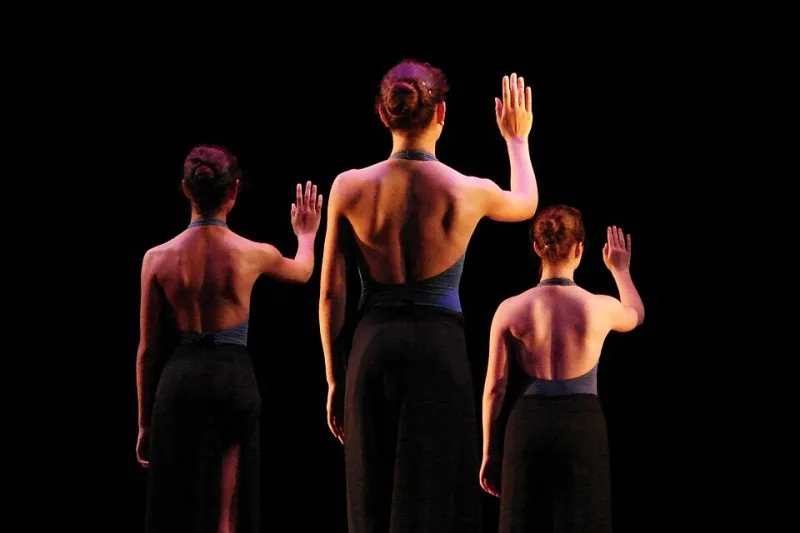
Photo: JOHN K THORNE, CC0, via Wikimedia Commons
Drive through just about any American suburb and count the options for your kid's Saturday morning. Soccer? Probably three leagues. Baseball, basketball, gymnastics, taekwondo? Take your pick. Now try to find a ballet class with an opening before next fall. If you live outside a major metro, you might find exactly one studio within a twenty-minute drive — and when you call, you'll hear a phrase that's become the unofficial motto of American suburban dance: we have a waitlist.
It's not that kids and parents don't want ballet. Demand is surging, fueled by everything from TikTok trends to adult beginners dragging their daughters (and themselves) into class. The problem is supply. And the reasons behind it are more economic than artistic.
The Real Estate Problem Nobody Talks About
Ballet studios have a logistical quirk that youth soccer never will: they need a lot of dedicated square footage, and they need it permanently. A regulation soccer league borrows public fields. A ballet studio needs a sprung floor, mirrors on every wall, barres bolted in place, and ceilings tall enough for a jumping teenager — usually 2,500 to 4,000 square feet of it.
"Landlords see a dance studio and see a tenant who can't subdivide, can't share, and needs the space built out," says one studio owner in the Denver suburbs who asked to be identified only by her studio's name, En Pointe Collective. "They'd rather have a nail salon."
Add in the cost of sprung flooring — easily $30,000 or more for a single studio room — plus liability insurance, and the barrier to entry gets steep fast. In metro areas, commercial rent can run $25 to $40 per square foot annually. Do that math on 3,000 square feet and you understand why many dance teachers who dream of opening their own studio simply... don't.
Why Sports Got the Infrastructure and Dance Didn't
Youth sports in America runs on a public-private partnership: municipalities provide fields, volunteers provide coaching, and registration fees stay low. Dance education gets none of that. Ballet classes happen on private property, taught by paid professionals, with no parks department picking up the tab for the venue.
The result is a structural imbalance. Your town's soccer complex exists because taxpayers funded it and a volunteer board runs it. Your ballet studio exists because one person took a financial risk that most small business owners would flinch at. When that one person retires, moves, or burns out — and many do — the town's only studio closes, and the waitlist at the next-nearest one triples overnight.
The Owners Who Bucked the Trend
The studios that survive tend to get creative. Some share space with churches or schools during off-hours, running portable barres in multipurpose rooms. Others have gone the co-op route: parents buy in, teachers keep a larger share of tuition, and everyone has skin in the game.
"We started as eight families renting a room at the rec center on Tuesdays," says the founder of a co-op studio outside Columbus, Ohio. "Three years later we had sixty students and a lease. But we never could have signed that lease on day one."
Her advice to parents in underserved towns is blunt: stop waiting for a studio to appear. "The demand data is what convinces a parks department or a landlord. A hundred signatures on a petition is nice. A hundred pre-registered students with deposits is a business plan."
What Parents Can Actually Do
If your town's dance options are thin, here's the playbook that's worked in communities across the country:
- Go to the parks and rec board meeting. Seriously. Most departments respond to resident demand, and dance programming is cheaper for them to launch than a new sport — no fields required.
- Ask about shared-use space. Community centers, church halls, and school gymnasiums sit empty on weekday mornings and afternoons. A portable floor and barre system can turn one into a classroom.
- Organize a co-op before you organize a campaign. Five families splitting the cost of a visiting teacher is how most rural and suburban dance programs actually start.
- Get on the waitlist anyway. Studios use waitlists to gauge demand. A long list is often the final push an owner needs to add a class, hire a teacher, or expand.
The Gap Is Real, But It's Not Permanent
The ballet shortage in American suburbs isn't a conspiracy — it's just what happens when an art form with heavy infrastructure needs gets left out of the public playbook that built youth sports. But every studio owner who's made it work in a strip mall or a church basement started with the same thing: a community that asked for more.
Your kid's plié shouldn't depend on whether one entrepreneur in your zip code took a chance. And increasingly, parents are proving it doesn't have to.