The $40 vs. $400 Ballet Bag: What Your New Dancer Actually Needs
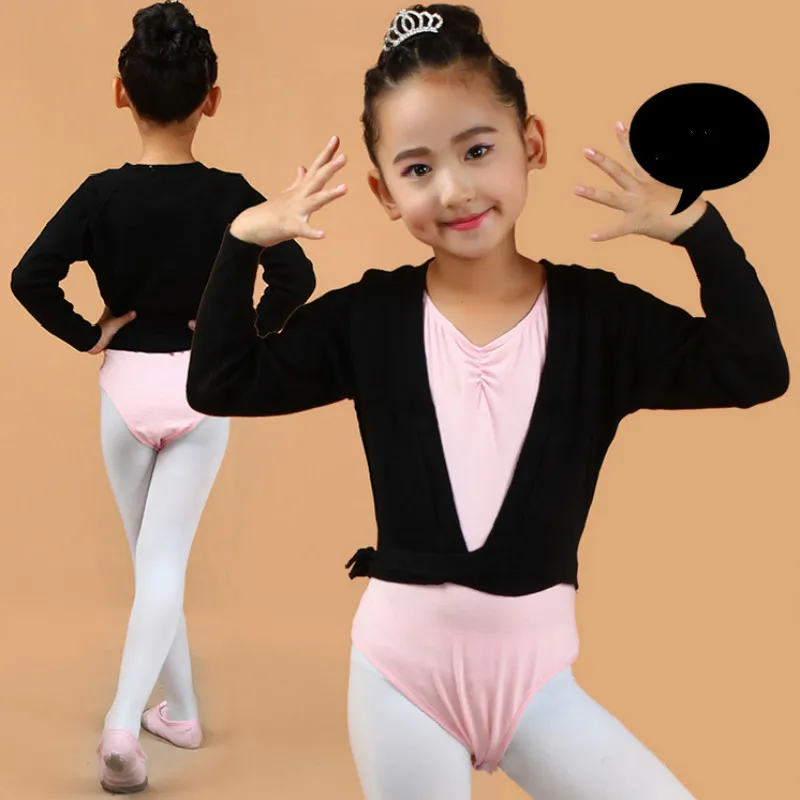
Photo: child's ballet bag with slippers leotard and tights flat lay, via ae01.alicdn.com
Somewhere between the registration form and the first class, every ballet parent hits the same wall: the gear list. And like everything else in parenting, the internet has opinions. One site swears you need a $90 leotard. Another says dollar-store socks are fine. The truth, as usual, lives in the middle — and it depends heavily on a few questions your studio can answer in one phone call.
Here's the practical, no-guilt guide to building a first ballet bag that works, whether you're spending $40 or $400.
Step One: Ask the Studio Before You Buy Anything
This is the single biggest money-saver in all of dance parenting. Most studios have a dress code — sometimes a specific color, sometimes a specific brand — and buying the wrong thing is the fastest way to waste money. One email asking "what color leotard and shoe style does my child's level require?" can save you an entire return-and-reorder cycle.
Also ask about a studio exchange bin. Many studios keep a shelf of outgrown, gently used shoes and leotards that families swap for free or a few dollars. It's the best-kept secret in the dance economy.
The True Essentials (The Non-Negotiables)
A first-year dancer genuinely needs four things:
1. Properly fitted ballet slippers. This is the one place you should not cut corners. Ballet shoes are the only gear that touches the floor, supports the foot, and affects how a child learns to use it. A too-big slipper trips them; a too-small one cramps their toes. Get fitted in person at a dance retailer if at all possible — the staff fit kids all day, every day.
For beginners, you'll choose between leather (durable, slightly pricier, molds to the foot) and canvas (cheaper, lighter, wears faster). For a young child, leather usually wins on longevity. Full sole is standard for beginners; don't worry about split soles yet.
2. Tights. Ballet tights are footed or convertible, and they matter more than they look like they would — they help shoes slide and keep the silhouette clean. Buy two pairs. One will develop a mystery hole before you're ready.
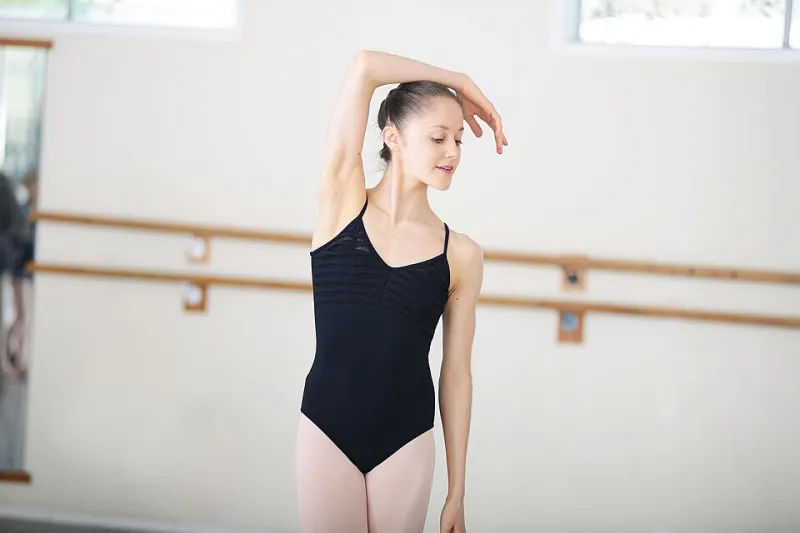
3. A leotard. Any plain, well-fitting leotard in the studio's required color. The $15 one from a big-box dance retailer works exactly as well as the $60 import. Skip the attached skirts unless the studio requires them — they're cute but rarely part of the dress code.
4. Hair ties and bobby pins. Long hair goes in a bun or, for very short hair, pinned back and neat. A $5 bag of supplies covers this for a year.
That's it. Everything else is optional.
The Nice-to-Haves (Buy Later, If At All)
- Ballet bag or tote — any drawstring backpack works for months.
- Warm-up layers — a snug wrap sweater is lovely in cold studios but rarely required.
- Skirt — wait until the dress code confirms it's allowed.
- Pointe-anything — pointe shoes are years away and require a professional fitting. If anyone tells you otherwise, walk away.
Where to Save and Where Not To
Save on: leotards, tights, bags, hair accessories, and warm-ups. These are commodity items. Big-box dance retailers, online sales, and discount stores all sell perfectly serviceable versions.
Don't skimp on: shoe fittings. A professional fit costs nothing extra — you just buy the shoes at a store that knows what it's doing. A child's foot grows fast, but a shoe that's "bought big to grow into" causes more problems than it saves dollars.
Three Budgets, Three Realistic Bags
The $40 Starter (great for testing interest):
- Leather full-sole slippers: $22
- Two pairs of tights: $12
- Basic leotard: $15 — wait, that's $49. Trim it: one pair of tights ($6) and a leotard from a clearance rack ($12) gets you to roughly $40. Hair ties from home. Done.
The $120 Standard Year:
- Fitted leather slippers: $25
- Two pairs tights: $14
- Two leotards (laundry insurance): $30
- Wrap sweater: $20
- Drawstring bag: $12
- Hair kit: $8
- Cushion of ~$10 for the inevitable replacement tights.
The $300+ Comfort Setup: Everything above, plus a second pair of shoes (so one pair is always dry), name-brand leotards that survive two kids, a quality warm-up set, and a proper dance duffel. This is the level where you're buying for a multi-year commitment or a second sibling down the line — not because the $120 dancer is under-equipped.
Used Gear: Yes, With Rules
Secondhand leotards and bags? Absolutely. Check Facebook Marketplace, studio swap events, and consignment shops. Tights, never — they're hygiene items.
Shoes are the gray zone. Used slippers are fine if they're barely worn and the sole is still firm. A shoe molded to another child's foot offers almost no support. If the sole bends like paper or the leather is stretched out, pass.
Surviving the Growth Spurt
Kids' feet grow in bursts, and ballet shoes don't stretch. Two tricks: buy the current size with a professional fit (not a guess), and keep the receipt. Some retailers offer modest trade-in credit. And rotate — if you own two pairs, alternate them so neither breaks down right before a recital.
The Bottom Line
Your first ballet bag should cost less than the tuition and cause zero stress. Get the shoes fitted, buy two of the cheap stuff, borrow or swap what you can, and skip everything sparkly until your dancer earns it — which, if they love class, will be sooner than your wallet hopes.