Level Up, Or Level Confusion? Decoding Ballet Class Names Before You Enroll
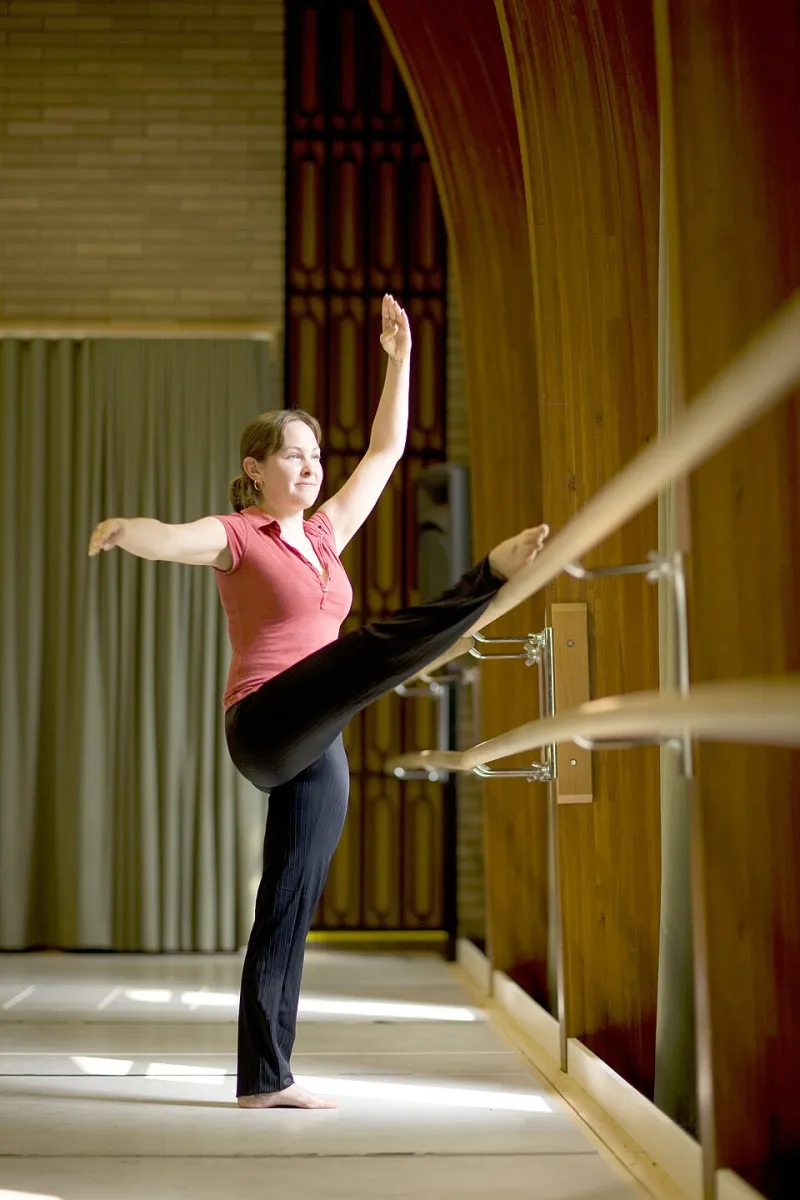
Photo: Nazareth College from Rochester, NY, USA, CC BY 2.0, via Wikimedia Commons
If you've ever stood in a ballet studio lobby squinting at a class schedule that reads like a foreign language — Pre-Ballet, Ballet A, Level 2/3, Intermediate Foundation, Company Prep — you're not alone. Ask three studios in the same town to place the same 9-year-old and you might get three completely different answers.
The truth is, there's no national standard for ballet class levels in the United States. No governing body assigns a Level 4 its curriculum. So let's pull back the curtain on what these names usually mean, and how to tell a thoughtful leveling system from a clever marketing funnel.
The Typical Ladder (With a Big Caveat)
Most American studios follow a loose progression that looks something like this:
- Pre-Ballet or Creative Movement (ages 3–6): Play-based classes that introduce moving to music, following directions, and basic body awareness. Very little formal technique.
- Primary or Ballet 1 (ages 6–8): First real vocabulary words — plié, tendu, first and second position. Structure increases, but classes stay short and fun.
- Levels 1–3 (roughly ages 8–12): The technique-building years. Barre work becomes serious, and students may add a second weekly class.
- Intermediate or Levels 4–5: More classes per week, pointe work on the horizon, possibly an invitation to compete or perform with a youth company.
- Advanced, Pre-Professional, or Company Track: Serious commitment, five or six days a week, variations, pointe, and college or company auditions in sight.
The caveat? Every one of those age ranges is negotiable, and every studio weighs things differently. Some use syllabus systems like RAD (Royal Academy of Dance), Vaganova-influenced curricula, or Cecchetti grades, which come with their own level names and even graded exams. Others just... make it up as they go.
Why a Level 3 Here Is a Level 5 There
Several factors explain the mismatch between studios:
Class size and enrollment. A small studio might combine ages and levels out of necessity. A large studio can split fine gradations into A and B sections.
Training philosophy. A school following a graded syllabus may keep students in one level for two or three years by design. A competition-focused studio may promote quickly to keep kids motivated.
Retention incentives. Here's the uncomfortable one: some studios name levels to keep families enrolled longer. If a dancer spends four years in "Level 2," parents start asking questions. Rename it Level 2A, 2B, and "Pre-Intermediate," and the same timeline suddenly feels like progress.
Teacher availability. Sometimes a "new level" exists purely because a particular instructor was hired and needed a schedule.
Questions Worth Asking at Placement Time
When you're evaluating a studio — or trying to figure out whether your child is in the right spot — ask these:
- "What does my child need to demonstrate to move to the next level?" A good studio can answer this specifically: clean single pirouettes, 32 tendus at the barre without losing turnout, the ability to pick up combinations quickly.
- "How many technique classes per week do you recommend at this level?" Serious progress generally requires two or more weekly classes by age 9 or 10. A studio that never mentions this may be prioritizing convenience over training.
- "Do you follow a syllabus or curriculum?" There's no wrong answer, but "we just sort of move kids up" is a yellow flag.
- "Can my daughter or son trial a class before we enroll?" Reputable studios almost always say yes, because they're confident in their placement.
- "What happens if the placement isn't right after a few weeks?" Good schools reassess openly. Bad ones get defensive.
Red Flags That a Leveling System Is About Retention, Not Training
- Levels that never end. If the schedule has eight levels and the top three are nearly empty, the ladder may be built to be climbed slowly.
- Promotion tied to purchase. Be wary if moving up requires buying the "Company Track" package, private lessons, or competition team fees.
- Vague answers about criteria. "When they're ready" is not a placement philosophy.
- Shame around staying put. Repeating a level is normal and often beneficial in ballet. A studio that treats it as failure is telling you something about its culture.
- No assessments, ever. Quality programs evaluate students regularly, even informally.
The Flip Side: Slow Is Normal
One reassuring note for parents: in ballet, slow progression is a feature, not a bug. A dancer who spends three years in the same level while building genuine strength is often better served than one promoted annually into technique they can't execute. The best studios communicate this clearly — celebrating mastery rather than rushing past it.
So when you're comparing schedules this enrollment season, don't get hung up on the numbers. Ask what's taught, ask how progress is measured, and ask to watch a class. The level name matters far less than what happens inside the room.