Land Before You Leap: The Jump Training Most Ballet Classes Skip
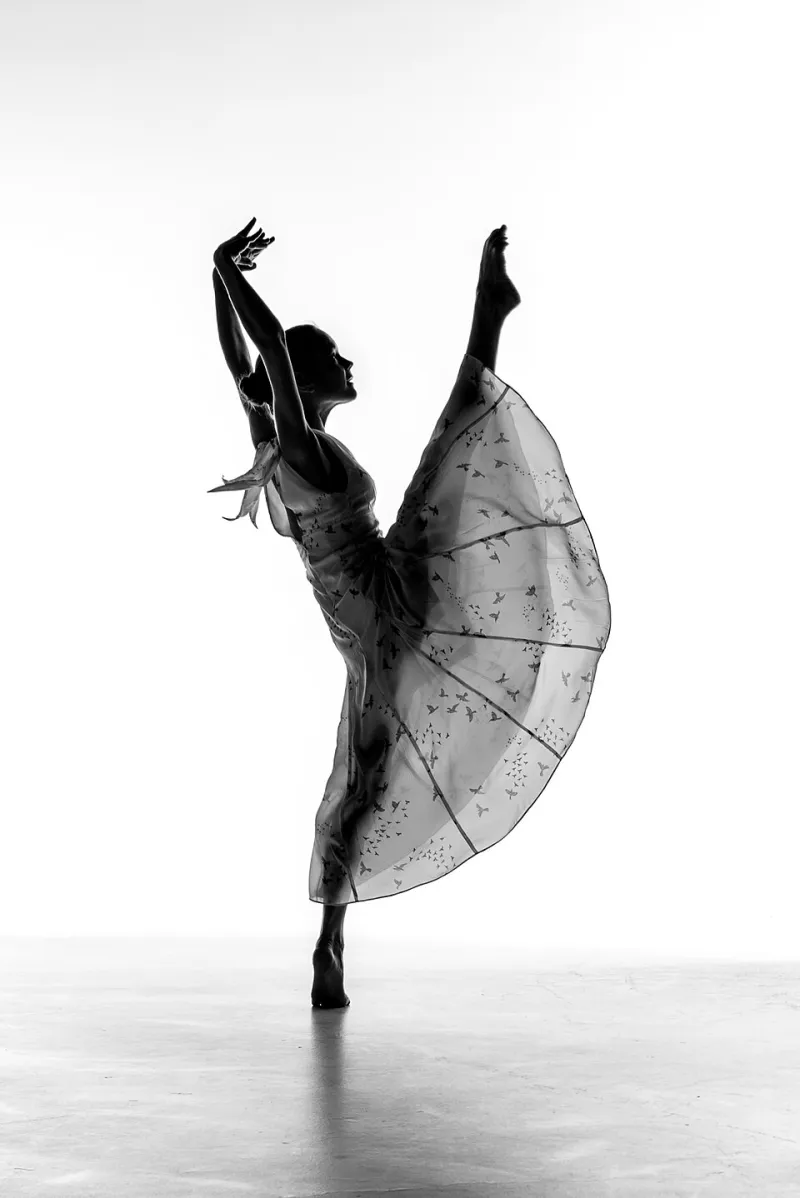
Photo: MarylandGeoffrey, CC BY-SA 4.0, via Wikimedia Commons
Ask any kid at a recital what made them want to start ballet, and odds are good the answer involves jumping. The big traveling leaps — grand jetés soaring across the stage — are the money shot of every end-of-year performance. And yet, if you ask dance medicine specialists what fundamental skill gets the least careful instruction in American recreational studios, they'll give you a one-word answer: jumping.
It's a paradox worth unpacking, especially if you're a parent shelling out for tuition and wondering what, exactly, your child is learning between those Instagram-worthy leaps.
The Skill Everyone Wants and Nobody Teaches
Here's how the gap usually happens. In a typical 60-minute recreational class, teachers have to fit in barre work, center technique, traveling combinations, and rehearsal for the spring recital. Something has to give, and conditioning for jumps — the calf strength, ankle stability, and landing mechanics that make big allegro safe — is usually the first casualty.
"Kids get asked to jump before they've been prepared to jump," is how one studio director in the Chicago suburbs put it to us. "It's like signing a kid up for basketball and never teaching them how to land from a layup."
The comparison to sports is apt. Youth basketball and soccer programs have increasingly adopted jump-landing protocols — think of the ACL injury prevention programs now standard in high school athletics. Ballet, despite demanding arguably more repetitions of explosive movement from growing bodies, has been slower to catch on.
What the Research Says About Young Joints
Dance medicine practitioners point to a few consistent trouble spots. Repeated jumping on hard studio floors, especially in pre-adolescent dancers whose growth plates are still open, can contribute to overuse injuries in the ankles, knees, and shins. Add fatigue — most injuries happen late in class or late in the rehearsal season — and the risk climbs.
The numbers on young dancers are sobering enough that several US hospital-based dance medicine programs now run dedicated injury prevention workshops for studios. The common thread in their recommendations: progressive loading. Small hops before big leaps. Landing practice before takeoff practice. Strength work that isn't glamorous but builds the spring.
None of this requires a PhD to implement. It requires a teacher who plans for it — and that's where parents come in.
Five Benchmarks to Look For
You don't need a background in kinesiology to evaluate whether your child's studio takes jumping seriously. Watch a class or two and look for these signs:
1. Warm-ups that include hopping and rebounding. Small jumps in parallel and turned-out positions, piqué hops, and sautés in first position should show up early and often — not as a throwaway, but with attention to quiet, controlled landings.
2. Teachers who talk about the landing first. Listen for cues like "land through the toes," "bend the knees," or "make no sound." Silent landings aren't just aesthetic; they're a proxy for good shock absorption.
3. Progression you can see. A thoughtful syllabus builds from jumps on two feet, to one foot, to traveling leaps over months and years — not a sudden leap into grand jeté territory when recital choreography demands it.
4. Rest built into allegro work. Jumping is explosive and taxing. Classes that alternate jumping sequences with other work are protecting growing bodies; classes that grind through jump after jump for ten straight minutes are borrowing against them.
5. Floor talk. Ask the front desk what the studio floor is built on. Sprung or cushioned subfloors — increasingly common in purpose-built American studios — matter enormously for repeated jumping. A thin layer of marley over concrete is a red flag for a program that leans heavily on allegro.
The Adult Angle: It's Never Too Late to Learn to Land
One of the quiet trends in adult ballet programs is jump literacy arriving late. Plenty of grown-up beginners spent childhoods in classes that never broke down how a jump actually works, and adult teachers are increasingly filling in the gaps — teaching plié as a shock absorber, treating landing mechanics as a skill rather than an afterthought.
If you're an adult student who's always dreaded the allegro section of class, there's a decent chance the problem was never you. It was instruction that skipped the foundation.
Questions Worth Asking at Your Studio
Most studio directors we spoke with welcomed parent curiosity. A few questions that open productive conversations:
- "How does your curriculum progress jumps from level to level?"
- "What does the teachers' training cover about landing mechanics?"
- "Do you build strength and conditioning into class, or is it all technique?"
A studio with good answers isn't just protecting your child's knees. It's teaching something bigger — that the spectacular moments in dance are built on invisible, unglamorous fundamentals. That's a lesson that transfers well beyond the studio, whether your dancer ends up on stage, on a soccer field, or simply carrying groceries up a flight of stairs.
The next grand jeté you watch at a recital will still take your breath away. But now you'll know what to look for underneath it: a quiet, bent-knee landing, and a studio that taught it on purpose.