Fifty Miles From Fifth Position: The Quiet Ballet Revolution Happening in America's Small Towns
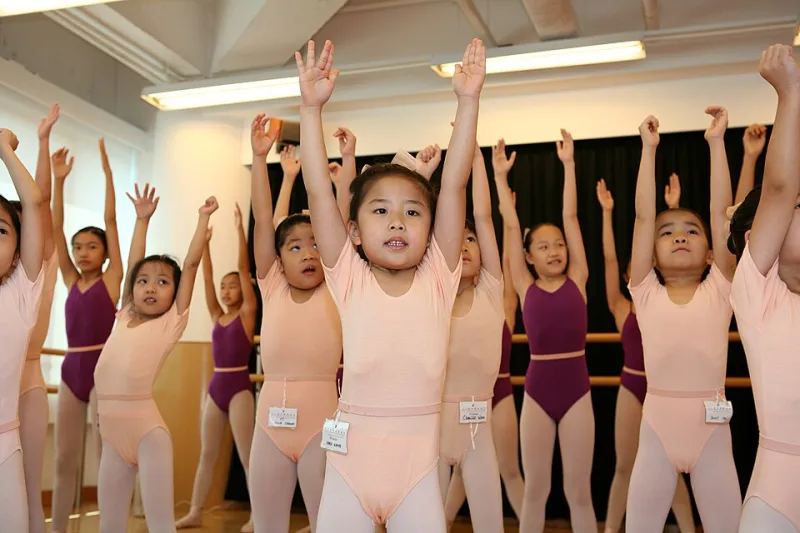
Photo: Tommy Wong, CC BY 2.0, via Wikimedia Commons
If you grew up in a major metro area, you probably assumed ballet classes were everywhere — like grocery stores or gas stations. But drive forty-five minutes outside of most American cities, past the last strip mall, and something strange happens: the dance studios disappear.
In thousands of small towns across the country, there isn't a single professional ballet school for a hundred miles. And yet, in a converted church basement in rural Ohio, a dozen kids in mismatched leotards are working on their first arabesques. In a community center gym in eastern Montana, a retired dancer runs barre on Tuesday nights for anyone who shows up.
Ballet didn't die out here. It adapted.
The Church Basement Barre
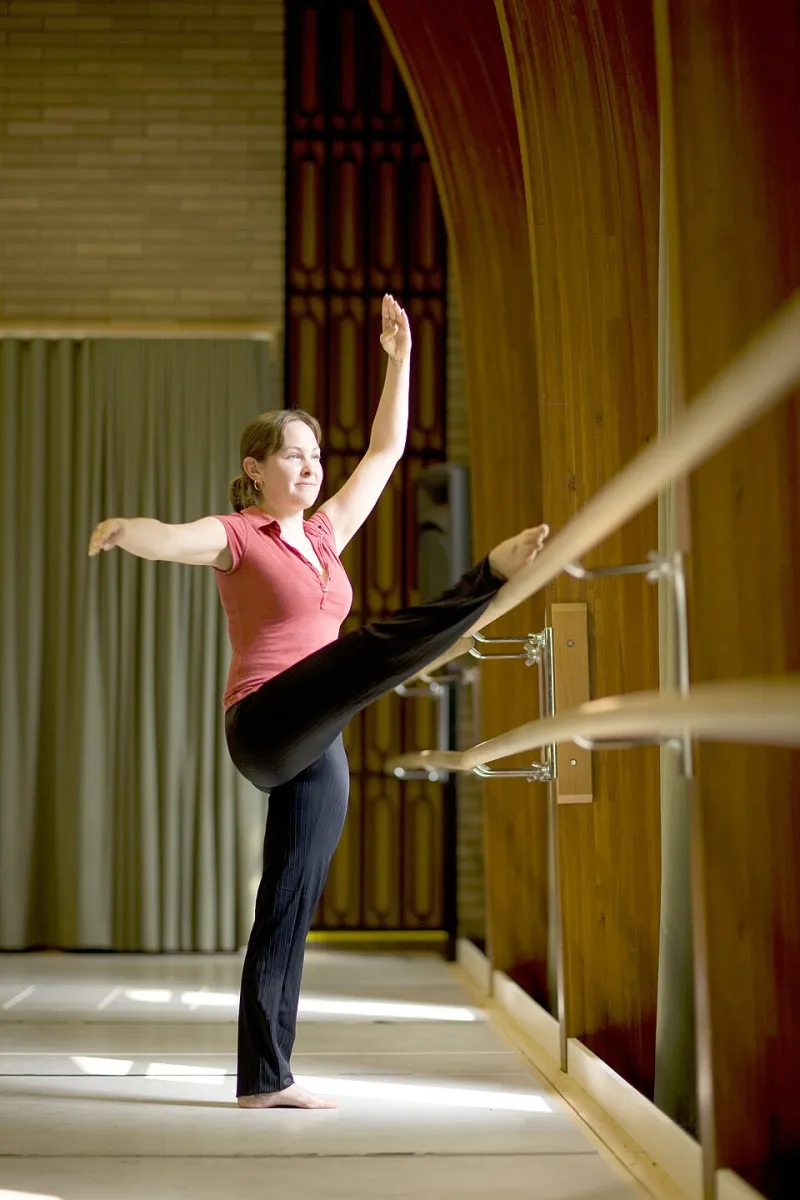
Ask around in these towns and a pattern emerges: the classes that survive rarely look like the studios you'd find in the suburbs. There's no sprung floor, no floor-to-ceiling mirrors, sometimes not even a proper barre — a sturdy chair or a windowsill does the job.
What they do have is a teacher who shows up every week, rain or shine. Often, that teacher is a volunteer. A former company dancer who moved back home to care for aging parents. A high school English teacher who took ballet through college. A grandmother passing down what she learned in the 1970s.
"People assume you need a fancy facility," one longtime small-town instructor told us. "What you actually need is consistency. Kids don't care about the mirrors. They care that class happens."
The Road Teachers
Then there's a second breed of ballet educator: the traveling instructor. Part teacher, part road warrior, these dancers cover multi-town circuits the way rural doctors once made house calls.
A typical week might look like this: Monday in one town, Wednesday in another, Friday somewhere else — each stop a two-hour class in a borrowed space, usually a school multipurpose room or an American Legion hall. Families in towns too small to support a full studio split the cost of bringing a professional in.
It's a model built on cooperation rather than competition. Parents organize carpooling. The fire department lets the group use its event space in winter. One town's recital becomes a regional event, with families driving in from three counties.
Logging On, Standing Up
The newest chapter of the small-town ballet story is hybrid learning. Since 2020, rural dancers have discovered that a laptop propped against a couch can connect them to teachers in New York, Chicago, or Los Angeles.
The setup isn't perfect — corrections over a grainy webcam are a far cry from a hand on the shoulder — but paired with occasional in-person workshops, it's opened doors that simply didn't exist a decade ago. A teenager in a town of 800 people can now take a weekly pointe prep class from a former professional, then drive two hours once a month for an intensive.
Some rural programs have formalized this: a local volunteer handles the fundamentals and the community, while online instruction handles the specialization. It's a tag-team approach that would have sounded absurd twenty years ago.
What the Big Studios Could Learn
Here's the uncomfortable question this raises for suburban and urban studios: if a town of 900 can sustain a ballet program with a folding chair and a volunteer, what exactly are all those tuition dollars buying?
To be clear — good studios earn their keep. Proper floors prevent injuries. Trained teachers catch problems before they become habits. But the small-town model offers some lessons worth stealing:
Community is the product. In rural programs, the recital is a town event and the class is a social anchor. Nobody's there to audition for anything. That sense of belonging is something money can't manufacture.
Progress matters less than participation. Small-town classes rarely obsess over leveling up. Students stay for years because the class itself is the point — a philosophy that, not coincidentally, keeps adults dancing well into their seventies.
Flexibility beats polish. When your space doubles as a scout meeting room, you learn to adapt. That scrappiness keeps overhead low and doors open.
Grace Where You Find It
There's a temptation to frame these programs as sad substitutes for the real thing — ballet with an asterisk. Spend an evening at one of their recitals and that idea falls apart fast. The gymnasium is packed. The applause is deafening. A nine-year-old nails her first stage arabesque and a whole town roars.
Ballet has always been about making something beautiful with what you have. Turns out nobody understands that better than the towns that never had a studio in the first place.
If you're a parent in an underserved area wondering whether ballet is possible for your child, the answer from rural America is a resounding yes — it just might start with a church basement, a borrowed stereo, and one person willing to count out the music.