Read the Room: What Ballet Teachers Notice About a Studio Before You Ever Sign Up
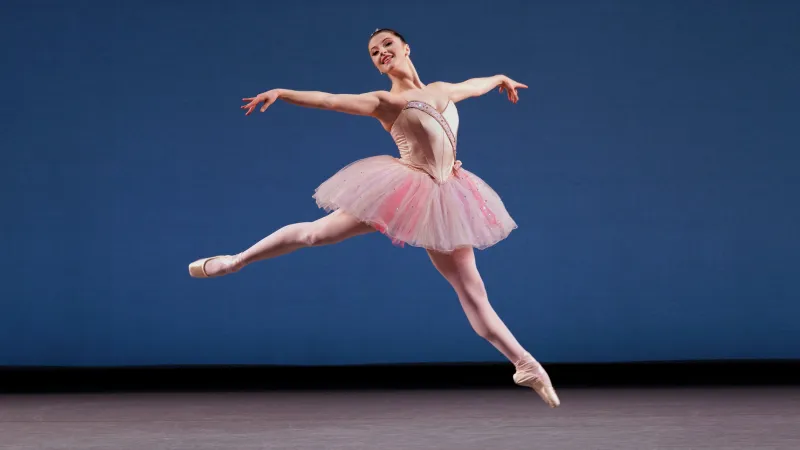
Photo: ballet teacher observing students in dance studio class, via static01.nyt.com
Here's a fun little secret: ballet teachers are the pickiest studio shoppers in America. We guest teach at each other's schools, we chaperone students to summer intensives, we judge at regional competitions — and every single time, we're quietly taking notes. Not about the students. About the place.
So when a parent asks me, "How do I know if this studio is any good?" I flip the question. I tell them what I look for when I walk into a school for the first time, and I've never once been asked to fix a leaky roof while doing it. Consider this your backstage pass.
Watch How a Teacher Handles the Kid Who's Struggling
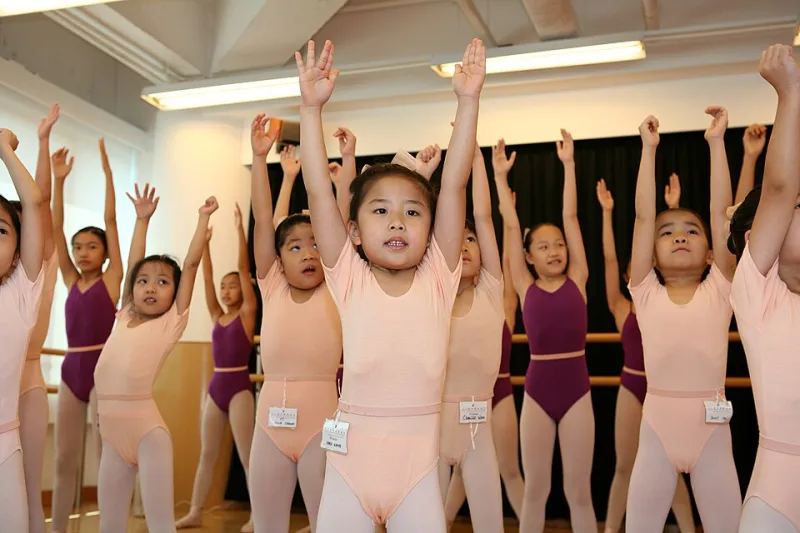
This is the big one. Any instructor looks great teaching a natural-born turner who picks up choreography in two counts of eight. The real character test happens when a seven-year-old keeps crossing to the wrong foot for the fourth time in a row.
Do you hear patient redirection — "let's try that on the other leg together" — or a sharp sigh and an eye-roll aimed at the mirror? Do struggling students get quietly moved toward the front for extra attention, or exiled to the back line where they can be ignored?
When I guest teach, I ask to observe a level below mine before I start. How the teacher treats the wobbliest kid in the room tells me everything about the culture of the school, and it takes about ten minutes to spot.
The Bulletin Board Is a Culture Report
Studio walls talk. Loudly.
If the only decorations are competition trophies and a "National Champions" banner from 2019, you're looking at a school that measures success in medals. That's not automatically bad — some families want that track — but if you're hoping for a joyful recreational program, the vibe won't match the marketing.
What I love seeing: recital photos from multiple years featuring lots of different kids, birthday party flyers, adult class schedules posted with the same prominence as company rehearsals, and the occasional crayon thank-you card from a student taped up by the front desk. That's a school that celebrates participation, not just podium finishes.
Also peek at the dressing area. Is it clean? Are there hooks, mirrors at kid height, a spot for parents to wait without hovering? Studios that respect families tend to run everything else respectfully too.
Ask the Question That Makes Directors Squirm
Every studio tour includes the standard stuff: tuition, dress code, recital dates. Those matter, but they won't tell you if the teaching is any good. Instead, try one of these:
- "How do you decide when a student moves up a level?" A confident answer involves age, technique milestones, and teacher assessment. A vague answer means promotion might just be automatic — or based on who's been around longest.
- "What happens if my child falls behind?" Good schools have a real answer: extra help, a different class section, a conversation with you. Bad schools haven't thought about it.
- "Can we watch or try a class first?" Schools confident in their teaching welcome observers. Schools that aren't, don't.
- "What's your policy on corrections and physical adjustments?" This one's increasingly standard in the US, and any professional school should answer it clearly and without offense.
Notice what the director asks you, too. A good school wants to know your child's age, goals, and personality before recommending a class. A school that signs you up on the spot for their most expensive option is selling, not teaching.
For the Adults: The Same Rules Apply, With a Twist
Adult students get a version of this too, and honestly, the stakes can feel higher — it's vulnerable walking into a beginner class at 34. So audit for adult-friendliness specifically:
- Is there an actual adult beginner class, or are you being dropped into "teen/adult," which usually means teenagers who've danced for a decade plus you?
- Does the teacher offer modifications out loud, so nobody feels singled out?
- Do the class times reflect real adult lives — evenings after work, weekend mornings, maybe even a daytime option for shift workers or parents with kids in school?
- Is anyone in the lobby smiling? If the adult program feels like an afterthought squeezed between youth company rehearsals, it is one.
Your Studio Tour Checklist
Print this, screenshot it, tape it to the fridge — whatever works. Bring it on your next tour.
Before you go:
- Check the class schedule for your age/level — does a realistic option exist?
- Read recent reviews from actual local families, not just the studio's own testimonials page
In the lobby:
- Bulletin board celebrates students broadly, not just trophy winners
- Waiting area is clean, safe, and family-friendly
- Front desk staff answer questions without pressure
At the studio door (or observation window):
- Teacher uses encouraging, specific corrections
- Struggling students get help, not exile
- Students look engaged, not scared or bored
- Music and content are age-appropriate
In the conversation:
- Clear answers on level placement and advancement
- Transparent tuition, recital fees, and costume costs — ask what the total year costs
- Trial class or observation offered without hesitation
- Safety and correction policies stated plainly
Gut check:
- You'd be happy spending two or three evenings a week here
- The people you met would notice if you didn't come back
The Bottom Line
A studio can have gorgeous floors, a famous guest faculty, and a website with professional photography, and still be the wrong place for your family. The reverse is true too — some of the best training in this country happens in strip-mall studios run by a husband-and-wife team who know every kid's name.
The difference is almost never the chandeliers. It's the culture, and culture is visible if you know where to look: in how the toughest student is treated, in what hangs on the walls, and in how the director answers a question they didn't prepare for.
Teachers see it instantly because we've been on both sides of the studio door. Now you can too.