The Wiggle Advantage: Why Your High-Energy Kid Might Be Ballet's Secret Weapon
Photo: Internet Archive Book Images, No restrictions, via Wikimedia Commons
Every parent has heard the warning at some point: ballet probably isn't for your kid. Too squirmy. Too loud. Too much. Maybe it came from a well-meaning relative, or maybe it came from the time your four-year-old cartwheeled through a story time at the library. Either way, the assumption is the same — ballet is for the quiet, careful children, and yours is something else entirely.
Here's the thing though: ask ballet instructors what they actually see in class, and a very different picture emerges. Some of the most exciting young dancers they teach are the ones who couldn't stop moving when they walked in the door.
The Myth of the Perfectly Still Ballet Student
Somewhere along the way, ballet picked up a reputation as the activity for obedient children — the ones who fold their hands, wait their turn, and whisper. And sure, discipline is part of ballet's DNA. But discipline isn't stillness. It's direction.
"People picture a silent studio full of kids standing in rows," says a veteran instructor who's taught creative movement and pre-ballet for over fifteen years. "What they should picture is controlled chaos that slowly becomes artistry. The kid who never stops moving at home? That's a kid with an enormous physical vocabulary. My job is to help them organize it."
In other words, the wiggles aren't a disqualification. They're raw material.
Where the Energy Actually Goes
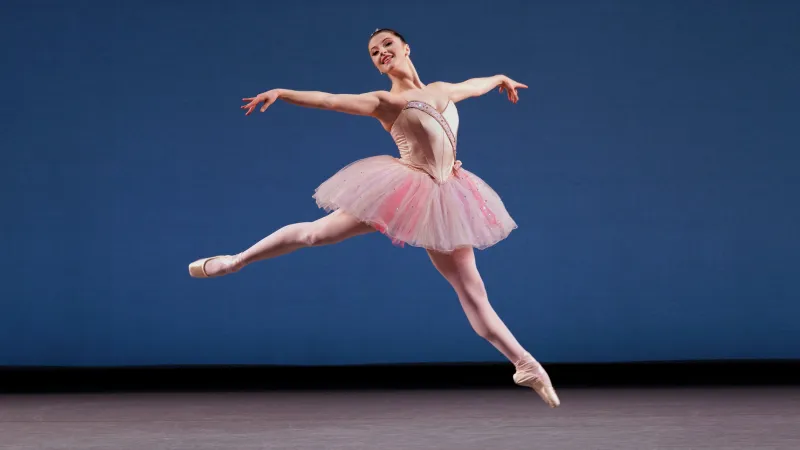
If you've only seen ballet through The Nutcracker on TV, you might be surprised by how much of it is essentially athletics. The fast, jumping, leaping sections of class — what dancers call allegro — are where high-energy kids get to shine.
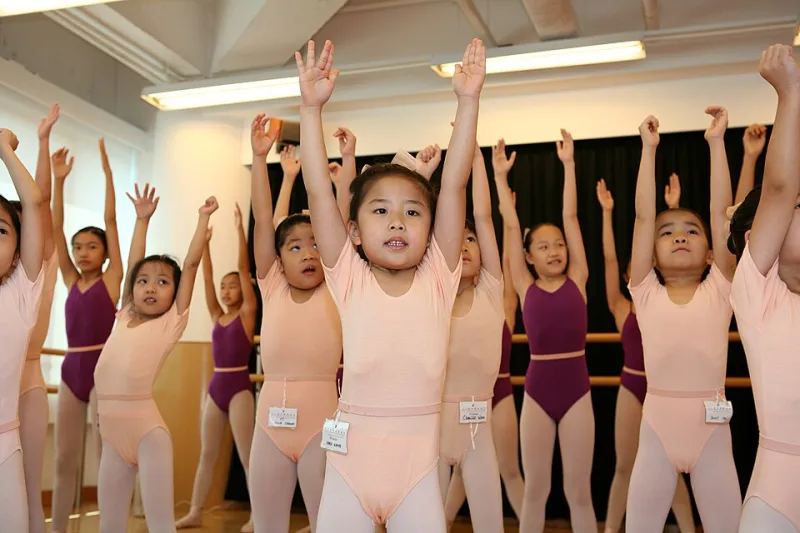
Young children's classes are built around exactly the movements squirmy kids crave: big locomotor steps across the floor, gallops, skips, springy jumps in first position, and character work that involves stomping, clapping, and dramatic facial expressions. A child who bounces off the walls at home isn't fighting the format. They're built for it.
Teachers consistently notice a pattern: the children who struggle to stand still at the barre often light up during traveling combinations. Given a purpose — cross the floor like a rocket, leap over the pretend river — that restless energy becomes precision, height, and eventually real technique.
What 'Readiness' Actually Looks Like
So does every wiggly kid belong in ballet? Not necessarily every kid, in every class, at every moment. But readiness looks different than most parents assume.
Instructors generally agree on a few markers:
- Your child can follow a two-step instruction — "skip to the corner, then freeze like a statue"
- They can participate in a group activity, even imperfectly, for 30–45 minutes
- They respond to redirection — a gentle reminder usually works, even if it takes a few tries
Notice what's not on that list: sitting quietly, natural grace, or a love of tutus. Plenty of fantastic dancers started out as kids who preferred dinosaurs and mud puddles.
Finding a Class That Fits Your Firecracker
Not all studios handle active children the same way, and the difference between a great fit and a frustrating one often comes down to teaching philosophy. When you're shopping around, here's what to look for — and what to ask.
Watch how the teacher handles movement, not just stillness. In a trial class, notice whether the instructor channels energy ("show me your biggest jump!") or only punishes it ("stand still!"). The best early-childhood ballet teachers build classes with movement built in, so kids aren't being asked to suppress their bodies for 45 minutes.
Ask about class structure. A good class for young kids alternates between focused moments and full-body activity — barre basics, then across-the-floor work, then a game or story-based combination. If the entire class is seated or stationary, that's a red flag for an active child.
Ask how they handle the hard days. Every kid melts down sometimes. A teacher who says "we redirect, we give jobs, we let them move" understands young children. A teacher who says "we remove students who can't behave" may not be the right fit yet.
Consider class size. Active kids do better in smaller groups where a teacher can give individual attention rather than spending the hour correcting behavior.
Give It a Season
One last piece of advice from the instructors we talked to: don't judge ballet by the first two weeks. Young children often take four to six classes to learn the routines, learn the room, and settle in. The kid who spent week one running laps around the barre might be week six's most dedicated plié-er.
And if ballet truly isn't the right fit right now? That's fine too. But don't write it off because your child has energy. In the right studio, with the right teacher, that energy isn't the obstacle to loving ballet. It might just be the reason they do.